
Hell in a Handset
Too much reality?

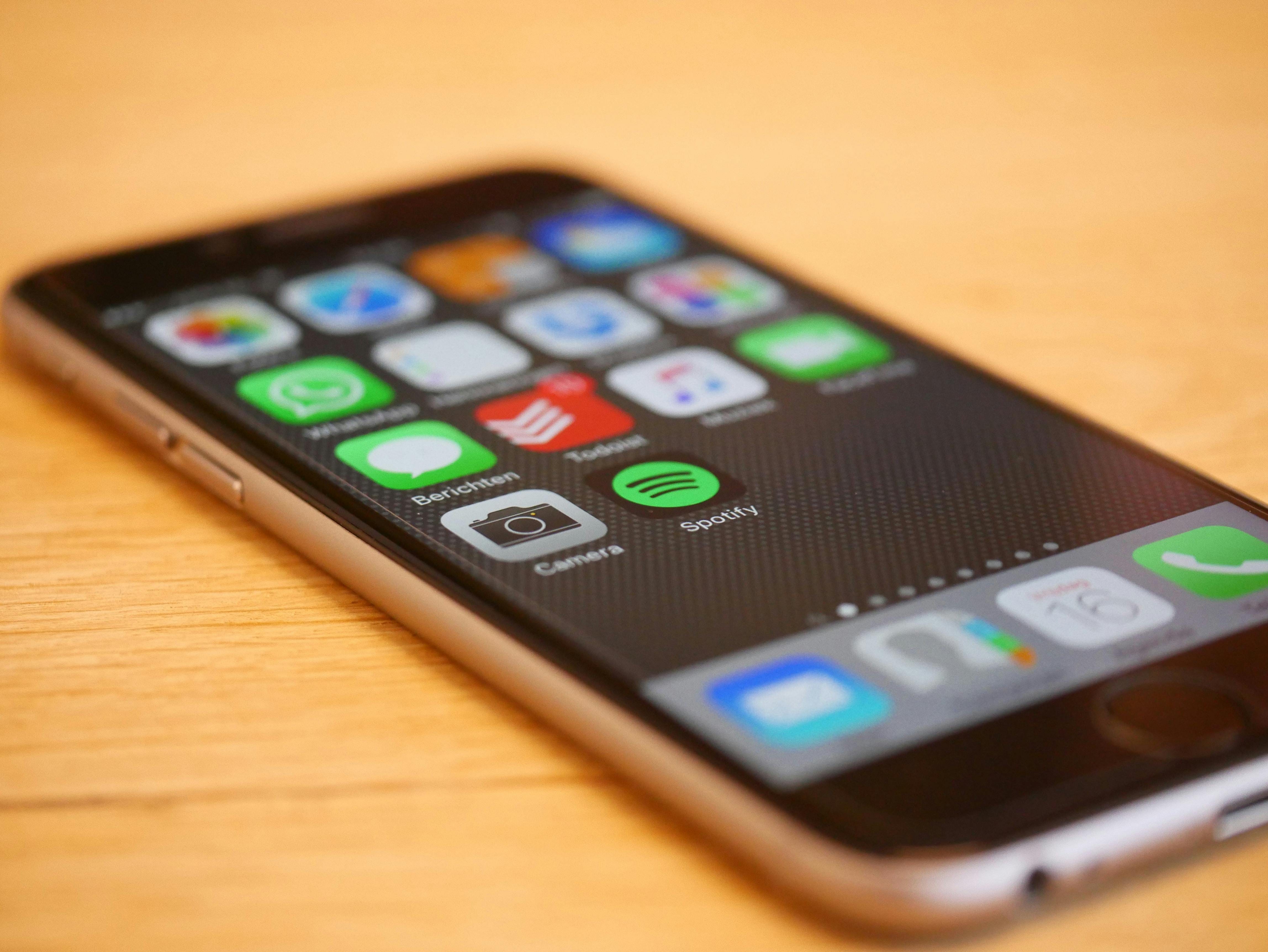
I needed some information from a customer recently and she took out her phone, ‘where would we be without our phones?’, she said, I sensed some pride, as she was 80 years old and to her credit up to date with smartphone technology. Of course, the customer is always right, but I couldn’t help asking in a friendly way, how we came to be so dependent on our phones.
My phone had died that week, and it felt as though I had been thrown in to an existential abyss. I didn’t even want a smartphone, but it started around the time of covid when, you couldn’t just turn up anywhere, museums and cafes expected you to book in advance, and when you turned up without a phone you were, you were left waiting in the luddite queue while the sophisticated folk with the mysterious codes on their phone walked past you.
These things happen in stages happen in stages, most of us already had some sort of mobile phone, my Nokia pay as you go was usually turned off. But I was constantly being bothered by family members who couldn’t get in touch with me. Then you think, well I’ve got a phone now, it might be useful to see my emails as well, so why not get a smartphone, and then you find all kinds of other useful things you can do. Then there is general expectation or assumption that you have a smartphone, doctors, dentists, bank verifications, work and on it goes.
Then all the phone numbers that you use are in the phone, and the phone starts to become your window on the world. The new technology changes our environment, we no longer see telephone boxes, strangely my watch battery died at the same time that my phone died, and I noticed there weren’t many clocks around. When I began working in an office, everyone had their own phone on their desk, so family members or anyone else would know how to find you, but now there is a presumption that we will have own mobile number.
I hope that people can see that I’m not a back to nature idealist and not anti-technology, which is the point, that even though I’m quite relaxed about technology we need to be careful that we are not captured and dominated by it, and that we don’t sleepwalk in to a world that we don’t want. To digress a little when I didn’t have my phone or watch, I did think about how our need to be conscious of time all of the time was also tyrannical, perhaps our inheritance from the factory system of the industrial age and as I understand it, the need for national railway time tables, so am not someone who looks back to an ideal past.
I managed to give my phone some CPR and got it working again, but charge was going in slowly and draining away fast, so I began removing apps, saving the phone for emergencies, and checking it occasionally during the day for messages. I began to think that maybe we just need some more discipline with our phones, but that is no easy thing, and if it is a problem and we want to do something about it we need to be realistic about the difficulty. We might say that things haven’t changed that much, when we see everyone in our train carriage absorbed by their phone. Years ago, people would be reading books and newspapers on the train, so what’s the difference? In the early dyas of the novel there was concern about its anti-social effects, and further back the ancient Greek philosopher Socrates feared that the written world would damage memory. thinking and understanding. We’ve mocked Socrates for this but strangely there is a continuity here, the smartphone has given us the written word in an immediate and efficient way, we don’t usually think of digital technology in this way.
So how is reading your smartphone different from reading a book or newspaper during your morning commute? Obviously, the smartphone gives you sound and visual too, so it’s a more absorbing experience. But it occurred to me that with the smartphone we lose some personal control. In the UK we like to think of ourselves as not a ‘papers please’ culture, we are resistant to ID cards and such, yet we all carry these micro-computers which contain so much about us. My observation, though is that with a newspaper we can quickly decide which bits are interesting to us and which aren’t, we can read the interesting things and leave the rest, or on a particularly long and boring journey we can read every word, then we can dispose of the newspaper (in an environmentally friendly way obviously). So, there it is, the old media gave us a sense of the finite, we are finite creatures and we like or need or must have a sense of the finite. When Blake wrote that you could ‘hold Infinity in the palm of your hand’ he wasn’t talking about the smartphone.
Today some commentators have talked about ‘the fear of missing out (FOMO)’ and digital technology plays (or preys) on this. Even for cultured people like substack readers and writers, there is always something new to read or some great new talent out there to discover. And this matters too, when you write something you want people to read it, we have to read each other’s writing. When my phone died, I realised how easily this could all close down, in the past document could be preserved for a certain amount of time, but not forever, some would deteriorate and some would be destroyed by fire of natural disaster. All our good works could be wiped out by technical malfunction (or malevolence), we carry cultural memory, we have to remember the culture that we admire and value, we have to discover the new work and the new writers, but there is too much of it.
I could say that we should produce less, but we are caught up in a capitalistic mindset, we need to supply our customers, to protect our market share, to be wary of competition entering the market, if we take a couple days, weeks or months off, we may be forgotten or someone else might take our place (no doubt a poor imitation of us).
So, there it is, smartphone are great but they may also give us problems, like any technology I guess.