
Breaking Bad
Morality and TV

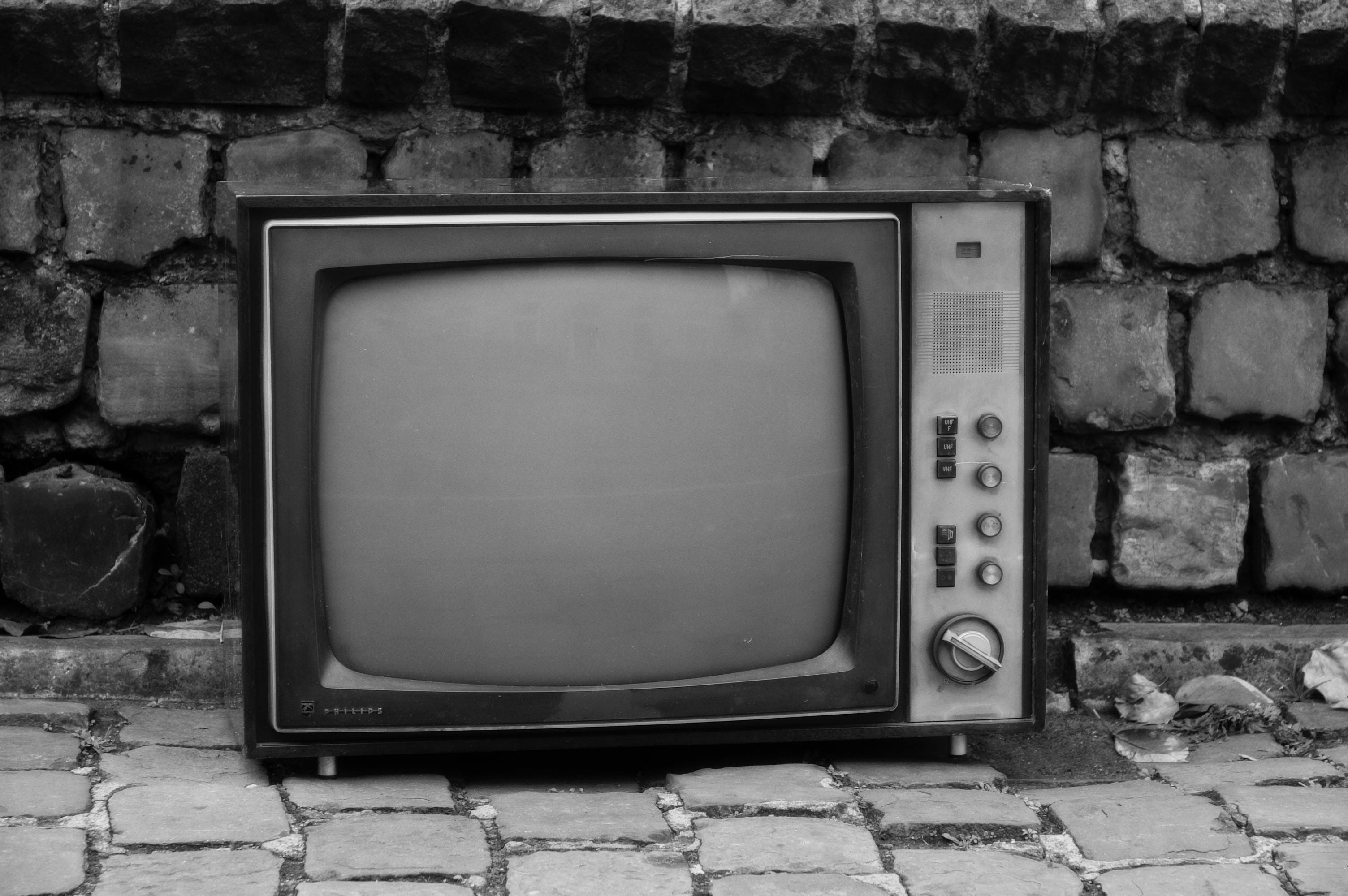
My title this week is from a TV show I’ve never watched, it’s a much revered and praised show, even last week I heard some colleagues discussing it enthusiastically. So, I’m not talking about that show, but the title or phrase was good for what I want to talk about.
I want to say something about morality, but ‘morality’ needs scare quotes. Morality sounds like moralising or moralism, and most of us don’t like being told what to do, and some of us don’t much enjoy telling other people what to do either.
I’ve never watched Breaking Bad, but I did watch the Sopranos, an older relative of that show perhaps. I came late to the Sopranos, and to begin with I was uneasy; these were violent criminals and we were being invited into their world, being made complicit perhaps. This was a sophisticated satire and exploration of moral complexity.
So, what’s bothering me? When art and entertainment deal with moral ambiguity, we have an unstated assumption that the audience have an understanding of good and bad, or right and wrong. We can understand the playfulness of art, and ultimately, we really know who the good guys are and who the bad guys are. But what happens when these moral assumptions break down, when we’re no longer sure if the viewer is cheering for the right team?
When I was young, I was in and out of psychiatric hospitals quite a lot. When the TV show Big Brother began, I was baffled. It reminded me of a ward on a psychiatric hospital, and who would want to watch that? A lot of people it seems. Back in the 17th century, people paid to watch the inmates of London’s Bedlam Hospital (or lunatic asylum) for their own entertainment. Big Brother of course takes its name form Orwell’s symbol of sinister all-pervading state surveillance. But we are beyond all that, right? We can laugh in the face of totalitarianism.
When we talk about morality and TV, we need to be careful; do popular show tell us something about ourselves? Or is it just entertainment? TV companies need to fill the schedules and make money, and writers are forced to push the boundaries of taste and convention, with sensationalism often appearing like a cheap and easy win.
I’m really talking about one show here. It’s a soap, these days we give them due respect as continuing drama. Coronation Street began in 1960 as a radical look at the lives or a working-class community in the north of England. I’m not picking on this show in particular, I’ve watch it for years, or rather my mother watched it in the 1970’s and my wife still watches it, and for a big part of my life I’ve been there in the room where the show has been watched. Today given the choice I would rather not watch it. My mother doesn’t watch it anymore, but she does enjoy the repeats of the old episodes which turn up on the digital channels she watches. My wife keeps threatening to stop but keeps on watching.
Earlier this year Coronation Street had one of those dramatic scenes that soaps use occasionally to shake things up change direction, kill off a few characters etc. It worked well, they even combined with another long running show Emmerdale, which sounds gimmicky, but it was well done, and showed that they can still do drama when they put their minds to it, but gradually they have gone back into the old routine.
This gets to the observation that led to this piece, which is the number of sociopaths on TV. Maybe you haven’t noticed, maybe there are so many of them, maybe we are all sociopaths now, sociopathy is the new normal. Even the world sociopath is not used widely these days we can just assume it; every other person is a narcissist, and the rest have borderline personality disorders (I’ve been called the last two but thankfully never a sociopath).
The Big Brother of today is a show called The Traitors, I’ve never watched it, but it’s hugely popular, full of intrigue, betrayal and that kind of thing. The kind of thing that the soaps are full of too, and other dramas as well. Social media introduced words like ‘triggering’ and ‘gaslighting’ to our common vocabulary; we are becoming accustomed to manipulation and intrigue and what’s worrying is that we might end up celebrating the wrong people, the bad people.
In Coronation Street in the past for example, you would often have a mysterious stranger turn up or a character gone rogue, but usually you would have maybe one such character at a time. The story would play out and over a couple of months, the character’s machinations would be uncovered, they would get their just desserts, and we could all rest easily that justice had been served. We’d get a rest for a month or two before the next psycho showed up.
Recently I was watching Coronation Street and every scene featured a sociopath; the Street is overrun with them. The manipulative and criminal son/brother, the long-lost ingratiating sister with evil on her mind, the psychotic landlady and suspected murderer, the predatory PE coach/teacher (female), the creepy stalker electrician and not featuring in this episode but a coercive control gay relationship which goes on and on and on.
I get it, this is continuing drama, every character at some point must betray their dark side, some might even read the above as an advert for the show. But these are not otherwise good people gradually turned to the dark side by force of circumstances, these are thoroughly bad people. Often these storylines go on for many months, we the viewers might lose our resolves, we might give up on closure, we might accept that the world is full of rotten people and that’s just the way it is. It’s strange that the soaps on the one hand often seem like public information films lecturing us on the progressive causes of the day, and yet they trust us with the moral nihilism of so many of their storylines. Maybe when it comes down to it, the writers and program makers do trust us afterall, maybe that’s something positive to take out of this.